GUNDLACH’S SERVICE
Air Conditioning, Heating, Plumbing, & Home Performance
At Gundlach’s, your comfort is our priority.
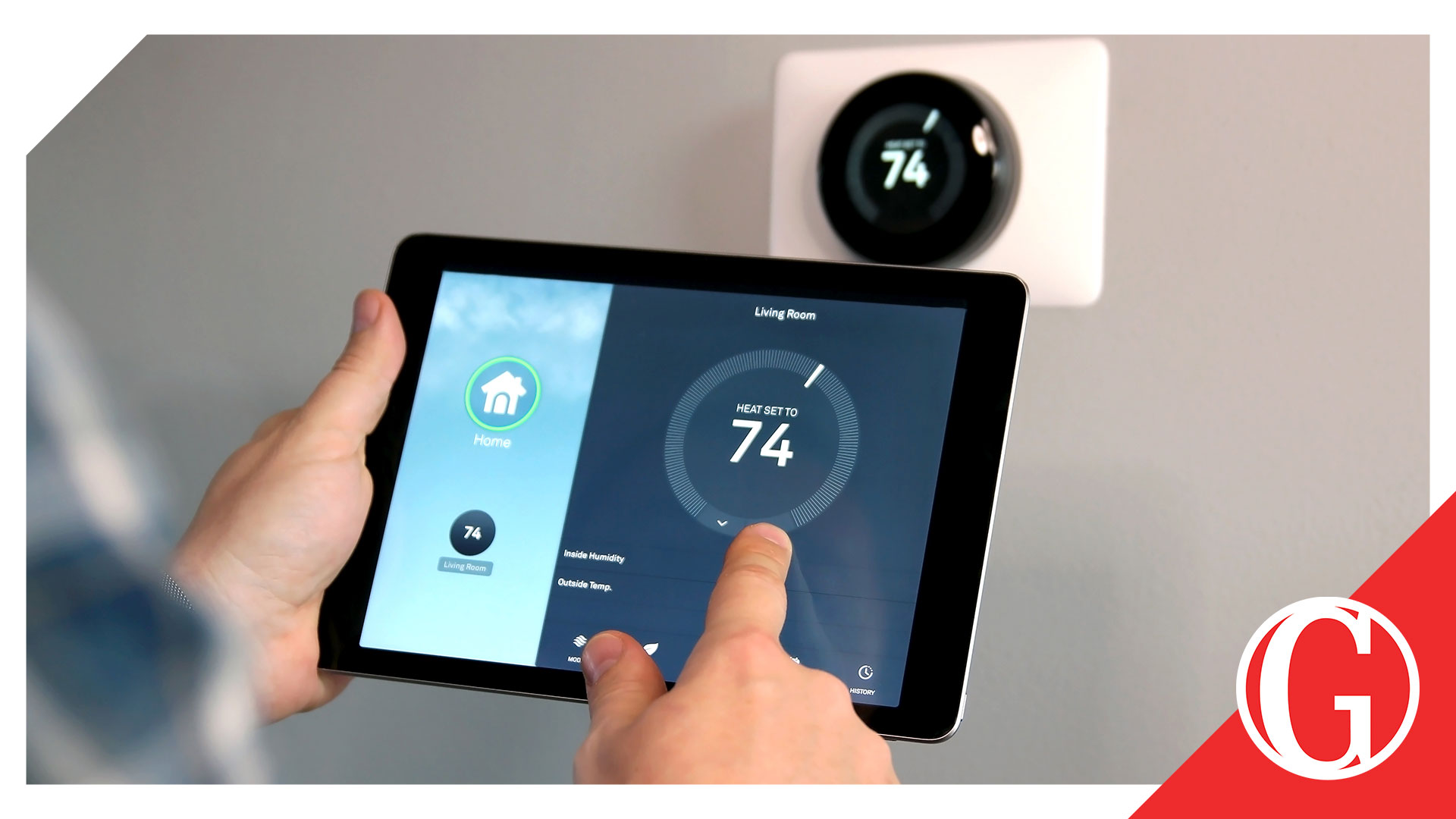
Exploring Smart Thermostats
Traditional thermostats have long been the standard in home climate control, offering basic temperature adjustment functionality with limited capabilities. However, with smart technology, home comfort and energy efficiency can be managed with precision and convenience. Enter smart thermostats, the next level of home climate control.
Understanding Smart Thermostats
Unlike conventional thermostats, which require manual adjustment and lack advanced features, smart thermostats are equipped with intelligent technology that enables them to learn user preferences, adapt to schedules, and optimize energy usage.
Smart thermostats utilize sensors, Wi-Fi connectivity, and sophisticated algorithms to monitor temperature, detect occupancy, and provide remote access and control via smartphone apps or voice assistants like Amazon Alexa and Google Assistant. This level of intelligence and connectivity allows homeowners to achieve greater comfort and energy savings.
Benefits of Smart Thermostats
The benefits of smart thermostats extend beyond mere convenience. According to studies conducted by the Environmental Protection Agency (EPA), smart thermostats can reduce heating and cooling costs by an average of 10% to 23%, translating to significant savings on energy bills annually. A study conducted by the Lawrence Berkeley National Laboratory found that homes equipped with smart thermostats achieved energy savings of up to 12% on heating and 15% on cooling, resulting in annual savings of $131 to $145 per household. This reduction in energy consumption not only benefits homeowners financially, but also reduces carbon emissions.
Moreover, smart thermostats offer comfort by ensuring that indoor temperatures are regulated according to individual preferences and schedules. Whether you’re at home or away, a smart thermostat can maintain an optimal indoor climate without wasting energy.
Features and Capabilities
One standout feature of smart thermostats is the ability to learn and adapt to user behavior over time. By analyzing patterns of temperature adjustment and occupancy, smart thermostats can automatically adjust settings to maximize comfort and efficiency.
Additionally, advanced features such as geofencing enable smart thermostats to detect when occupants are approaching or leaving home based on their smartphone’s location, allowing them to adjust temperatures accordingly. Integration with voice assistants further enhances usability, enabling users to control their thermostat with simple voice commands.
Popular Smart Thermostat Brands and Models
When it comes to choosing a smart thermostat, there are several reputable brands to consider, each offering a range of models with varying features and price points. Nest, Ecobee, and Honeywell are among the most well-known brands in the market, with their respective models — Nest Learning Thermostat, Ecobee SmartThermostat, and Honeywell Lyric — receiving rave reviews from consumers.
Comparing these models, the Nest Learning Thermostat stands out for its intuitive interface and self-learning capabilities, while the Ecobee SmartThermostat excels in room sensor integration and compatibility with smart home ecosystems. Meanwhile, the Honeywell Lyric impresses with its geofencing functionality and sleek design.
Installation and Compatibility
Installing a smart thermostat is typically a straightforward process, especially for those with basic DIY skills. Most models come with step-by-step instructions and online tutorials to guide users through the installation process. However, for those who prefer professional assistance, a Gundlach’s HVAC technician can help with the installation.
Compatibility with existing HVAC systems is an essential consideration when choosing a smart thermostat. While most modern systems are compatible with smart thermostats, older systems or those with proprietary wiring may require additional adapters or professional assistance to ensure seamless integration.
The Future of Home Climate Control
As smart technology continues to advance, the future of home climate control looks promising. Innovations such as artificial intelligence, predictive analytics, and machine learning algorithms hold the potential to further enhance the capabilities of smart thermostats, enabling them to anticipate user preferences and optimize energy usage with unprecedented accuracy.
Furthermore, the integration of smart thermostats with renewable energy sources such as solar panels and battery storage systems offers exciting possibilities for achieving greater energy independence and sustainability.
Smart thermostats represent a significant advancement in home climate control, offering unparalleled comfort, convenience, and energy savings for homeowners. With their intelligent features, seamless integration, and potential for future innovation, smart thermostats are poised to make our homes smarter, more efficient, and more comfortable than ever.