GUNDLACH’S SERVICE
Air Conditioning, Heating, Plumbing, & Home Performance
At Gundlach’s, your comfort is our priority.
Heating System for House: Essential Winter Comfort 101 Tips
The Foundation of True Winter Comfort
Winter in Bakersfield may not bring severe storms, but a heating system for your house is essential to maintain consistent indoor warmth. When the cold settles in, comfort is not defined by the thermostat alone. It is created by a coordinated system of heating equipment, airflow, insulation, and air quality management.
This first installment of the Winter Comfort 101 series explains how home heating systems work together to keep your home warm, safe, and energy-efficient. Many homeowners assume that winter comfort is a simple matter of turning on the furnace. In reality, an entire network of components has to operate together to maintain stable temperatures, control energy use, and support healthy indoor air.
Understanding these components is the first step toward improving comfort and reducing the strain on your heating equipment. It also helps homeowners recognize when an issue is not a simple fix but a sign of a deeper system imbalance.
What True Winter Comfort Really Means
A comfortable home in winter depends on more than warm air. True comfort is the combination of balanced temperature, clean airflow, proper humidity, efficient energy use, and equipment that operates safely and reliably. When any part of your central heating system struggles, the entire home feels the impact through uneven temperatures, high utility bills, dry air, or reduced air quality.
Several interconnected systems contribute to the home’s winter performance. When they work together, the result is consistent warmth, better HVAC efficiency, and peace of mind.
The Core Components of Your Home Heating System
1. The Heating Unit
Your furnace or heat pump is the heart of a heating system for house comfort. Modern heating systems are designed for higher efficiency and more precise temperature control. They consume less energy, operate more quietly, and use improved safety features compared to older equipment.
Older units often work harder to produce the same amount of heat, and this additional strain leads to higher utility costs and a shorter lifespan. Proper heating system maintenance ensures your furnace or heat pump performs efficiently and lasts longer.
2. Ductwork
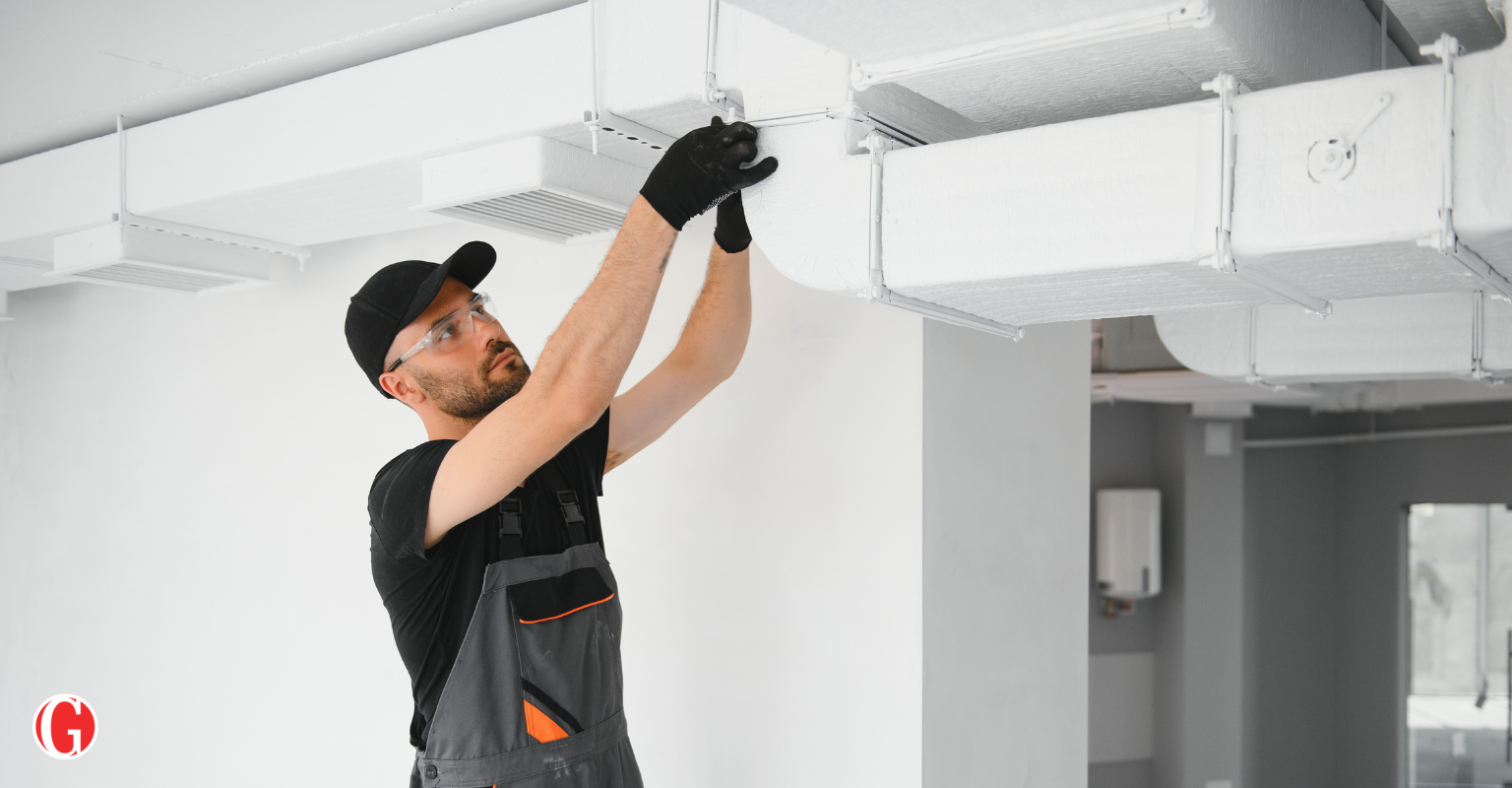
Ducts are responsible for distributing conditioned air throughout your home. If ducts are dirty, undersized, leaking, or poorly insulated, a significant amount of heat never reaches your living spaces.
Studies show that up to 30% of heated air can be lost through duct leaks alone. This forces your central heating system to work harder, increasing energy costs and reducing HVAC efficiency.
3. Thermostat and Controls
The thermostat is the system’s control center. Modern and smart thermostats improve energy-efficient HVAC performance by:
- Regulating heating cycles accurately
- Adapting to your schedule
- Preventing overuse of your heating system
Smart thermostats can also adapt to your schedule, reducing unnecessary heating and protecting the system from overuse.
Accurate control is essential for both comfort and efficiency. A thermostat that is outdated or incorrectly calibrated can cause inconsistent temperatures and higher energy consumption.
4. Insulation and Air Sealing
Even the best home heating systems cannot maintain comfort if warm air escapes. Attics, walls, crawl spaces, and entry points need adequate insulation to keep heat inside.
Air leaks around windows, doors, and duct transitions can allow cold air to enter and warm air to exit. Implementing winter energy efficiency tips like air sealing helps maintain consistent temperatures and reduces strain on your system.
5. Air Filtration and Ventilation
Winter is the season when windows remain closed for long periods. Regular heating system maintenance and clean air filters improve indoor air quality, airflow efficiency and overall system performance.
Air filters trap these contaminants and keep them from circulating through the duct system. A well-maintained system supports energy-efficient HVAC operation and a healthier home environment.
How These Components Work Together
Each part of your central heating system influences the others. A malfunctioning thermostat can cause the furnace to run too often. Poor insulation can force the heating system to work harder than necessary. Dirty ducts reduce airflow and make rooms feel colder even when the system is operating.
When all components function correctly and efficiently, the result is balanced temperatures, improved energy performance, and a healthier indoor environment.
Why Many Homes Fall Short on Comfort
Homeowners often assume that as long as the furnace turns on, everything is functioning properly. However, many homes experience hidden inefficiencies that reduce comfort and increase operating costs.
Common contributors to winter discomfort include:
- A heating unit that is older than fifteen years
- Ductwork with leaks, blockages, or age-related deterioration
- Incorrect thermostat calibration
- Insufficient insulation in attics or walls
- Furnace filters that are overdue for replacement
- Airflow restrictions caused by dust, buildup, or unbalanced ducts
These issues may not shut a system down entirely, but they gradually reduce performance and comfort. Recognizing these problems early allows for proactive maintenance or heating system service.
The Link Between Comfort and Energy Efficiency
Comfort and energy-efficient HVAC performance go hand-in-hand. An inefficient system may still heat the home, but it will require longer run times, more fuel, and more frequent cycling. This results in higher utility bills and increased mechanical strain.
Homeowners often see higher winter bills as normal, when in reality they are often paying for wasted energy caused by outdated or improperly maintained systems.
Improving winter efficiency reduces energy consumption, prevents unnecessary wear, and supports stable indoor temperatures. Even small adjustments, such as filter replacement, thermostat upgrades, or duct sealing can make a noticeable difference.
Why Understanding Your System Matters
Homeowners who understand how their home heating system operates can better identify early signs of issues, adopt more efficient habits, and plan upgrades at the right time.
Awareness also helps avoid over-relying on temporary fixes or delaying important system decisions. By understanding the core components of winter comfort, homeowners can take proactive steps that improve long-term safety, comfort, and efficiency.