GUNDLACH’S SERVICE
Air Conditioning, Heating, Plumbing, & Home Performance
At Gundlach’s, your comfort is our priority.
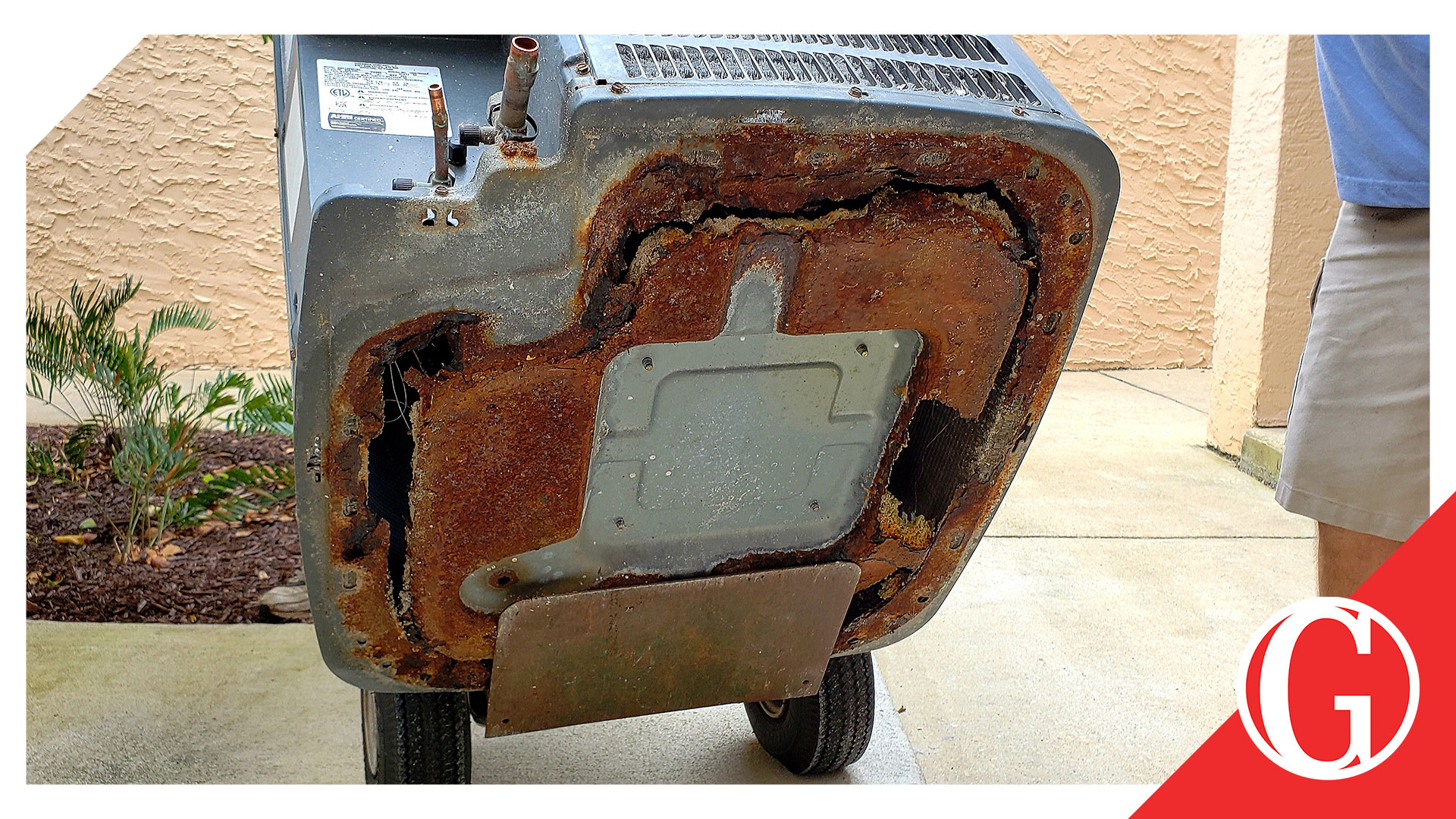
HVAC Upgrades: When Is It Time to Replace Your System?
Like any other appliance within our homes, HVAC systems have a finite lifespan and will eventually need to be replaced. Let’s explore the telltale signs that indicate it's time for an HVAC upgrade, the benefits of making the switch, factors to consider when deciding on a replacement, the different types of HVAC systems available, and the importance of hiring a professional HVAC technician.
Signs Your HVAC System May Need an Upgrade
Age of the system: On average, an HVAC system should last between 15 and 25 years. However, as systems age, they become less efficient, leading to higher energy bills and more frequent repairs.
Increasing frequency of repairs: If you find yourself calling for HVAC service more often than usual, it may be a sign that your system is on its last legs. According to a report by the National Association of Home Builders, the average lifespan of an HVAC system decreases by about 5% for each year that regular maintenance is neglected.
Rising energy bills: Older HVAC systems tend to be less energy-efficient, resulting in higher utility bills. According to the US Department of Energy, heating and cooling account for nearly half of the average home's energy consumption, so upgrading to a more efficient system can lead to significant savings over time.
Uneven heating or cooling: If some rooms in your home are consistently warmer or cooler than others, it could indicate that your HVAC system is struggling to maintain consistent temperatures. This could be due to ductwork issues, improper sizing, or simply the aging of the system.
Excessive noise or strange odors: Unusual noises or odors coming from your HVAC system are never a good sign. They could indicate a variety of issues, from worn-out components to mold growth inside the system, all of which may warrant a replacement.
Inadequate humidity control: Poor humidity control can lead to discomfort, mold growth, and even health issues. If your HVAC system is struggling to maintain proper humidity levels, it may be time to consider an upgrade.
Benefits of Upgrading Your HVAC System
Improved energy efficiency: According to the Environmental Protection Agency (EPA), upgrading to an ENERGY STAR certified HVAC system can save homeowners up to 20% on heating and cooling costs.
Enhanced comfort and temperature control: Newer HVAC systems offer more precise temperature control and better airflow distribution, ensuring consistent comfort.
Better indoor air quality: Modern HVAC systems come equipped with advanced filtration systems that can remove airborne pollutants, allergens, and contaminants, resulting in cleaner and healthier indoor air quality.
Reduced maintenance costs: While the upfront cost of a new HVAC system may seem daunting, it's important to consider the long-term savings on repairs and maintenance. Newer systems require fewer repairs and less frequent maintenance, saving you both time and money in the long run.
Increased home value: Upgrading your HVAC system can significantly increase the value of your home. According to a study by the National Association of Realtors, HVAC system replacements have a return on investment of over 100%.
Things to Consider When Deciding to Replace Your System
Cost of repairs vs. cost of replacement: As a general rule of thumb, if the cost of repairs exceeds 50% of the cost of a new system, it's usually more cost-effective to replace rather than repair.
Energy efficiency ratings: Look for HVAC systems with high SEER (Seasonal Energy Efficiency Ratio) and AFUE (Annual Fuel Utilization Efficiency) ratings, as these indicate better energy efficiency and lower operating costs.
Compatibility: Before investing in a new HVAC system, make sure it's compatible with your existing ductwork and infrastructure. Retrofitting or replacing ductwork can add significant costs to the project.
Hiring a Professional HVAC Contractor
Importance of professional assessment and installation: Proper sizing, installation, and maintenance are crucial for the performance and longevity of your HVAC system. Hire a licensed and experienced HVAC contractor to assess your needs and recommend the right system for your home.
Questions to ask during the consultation: Don't be afraid to ask questions during the consultation process. Inquire about warranties, guarantees, and financing options, and make sure you understand the terms and conditions before signing any contracts.
Upgrading your HVAC system is a significant investment, but one that can pay off in terms of improved comfort, energy savings, and home value. If you're considering an HVAC upgrade, don't hesitate to reach out to the Gundlach’s team for expert advice and assistance any time.