GUNDLACH’S SERVICE
Air Conditioning, Heating, Plumbing, & Home Performance
At Gundlach’s, your comfort is our priority.
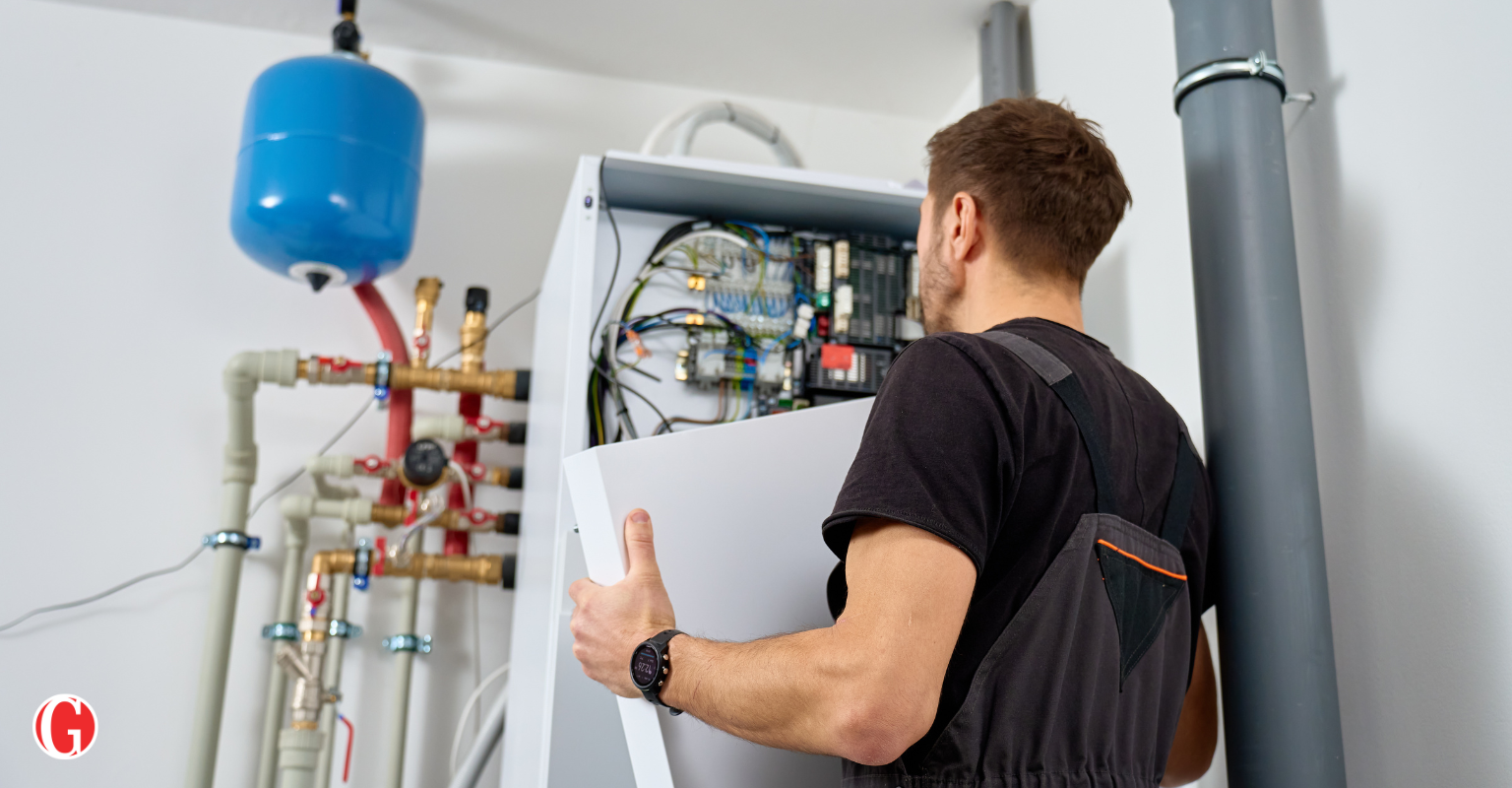
Heating System Installation: When and Why to Upgrade Your Home Systems
Heating System Installation: Upgrading Your Heating and Water Systems
In Part 1 of this series, we explored the core components of the heating system for houses that create true winter comfort. Reliable heating requires more than a working furnace. It depends on duct design, insulation quality, thermostat accuracy, air filtration, and overall system health.
Now that you understand the foundation of comfort, Part 2 of our Winter Comfort 101 series explores heating system installation and water heater system upgrades.
Heating and water systems can continue operating long after they have passed their peak efficiency. A unit may still turn on, but performance, safety, and reliability often decline long before complete failure. Recognizing the signs early helps homeowners avoid unnecessary costs, prevent emergencies, and maintain a comfortable and efficient home through winter.
Understanding Why Upgrades Become Necessary
Upgrading is not only about replacing something that stops working. It is about preventing avoidable issues, improving efficiency, protecting your home, and aligning with today’s performance standards.
When a system reaches the point where heating system repair costs rise, energy bills increase, and comfort becomes inconsistent, a heating system installation or water heater replacement is the practical solution.
Several factors influence when replacement is the right choice.
Aging Equipment and Declining Efficiency
1. Reduced AFUE and SEER Ratings Over Time
Older furnace heating systems lose efficiency over time. AFUE measures how effectively a furnace converts fuel into heat. SEER measures cooling efficiency for heat pumps. As components age, these ratings decline.
A typical furnace lasts fifteen to twenty years. Over time, wear affects the blower motor, heat exchanger, burners, and electrical components. Even with maintenance, an older system uses more energy to create the same level of heat.
Modern furnaces reach AFUE ratings as high as 98 percent. That level of efficiency is difficult or impossible for older units to match, even when well maintained.
2. Longer Run Times
Older equipment often runs for longer periods because it struggles to reach or maintain the set temperature. These extended run times increase energy consumption and wear on mechanical parts.
3. Uneven Room Temperatures
If some rooms feel warm while others remain cold, it may be a sign that the system can no longer maintain adequate airflow or heat output.
Advances in Modern Heating Technology
Heating and water systems manufactured today incorporate features that improve comfort, reduce energy use, and increase reliability.
1. Variable Speed Operation
Modern systems adjust their output automatically based on real-time heating demands. This creates more consistent indoor temperatures, quieter operation, and reduced energy waste.
2. Modulating Gas Valves
Advanced furnace heating systems can increase or decrease heat output in precise increments. This reduces temperature swings and improves system efficiency.
3. Improved Filtration and Air Quality Options
Many newer systems support higher level air filtration, integrated air purification, and better circulation technology. This is increasingly important as homes keep more air sealed indoors during winter months.
4. Safer and Smarter Controls
Upgraded systems include enhanced safety sensors, shutoff protections, and smart thermostat compatibility that help safeguard your home and provide more control over heating schedules and energy consumption.
The Water Heater Factor
Heating comfort extends beyond the air in your home. Reliable water heater systems are crucial for daily routines such as bathing, laundry, dishwashing, and cleaning. Like HVAC systems, water heaters age and lose efficiency over time.
Common Signs It Is Time to Replace a Water Heater
- Fluctuating water temperature
- Reduced hot water supply
- Rumbling or popping noises caused by sediment buildup
- Rust colored water or visible corrosion
- Leaks around the base
- A unit that is more than ten years old
These symptoms indicate that the heater is no longer performing efficiently or safely. Upgrading prevents unexpected failures and restores reliable hot water.
Efficiency Gains from Modern Water Heater Technology
Newer water heaters offer improved performance and reduced energy waste.
1. Tankless Water Heaters
Tankless models heat water only when needed. This eliminates standby heat loss and provides continuous hot water when sized correctly.
2. High Efficiency Tank Models
New tank style heaters use better insulation, improved burner technology, and advanced controls to minimize heat loss.
3. Hybrid Units
Hybrid water heaters use heat pump technology to move heat from the surrounding air into the water. These systems operate with significantly lower energy consumption.
Upgrading to one of these technologies reduces utility costs and increases reliability during high demand periods.
When Repair Costs Outweigh Replacement
Frequent repair needs are one of the clearest indicators that replacement may be the more economical option.
Patterns to Watch
- Two or more major repairs within two years
- Parts no longer covered under warranty
- Replacement parts becoming difficult to source
- Repair costs exceeding one third of the price of a new system
Older units are more prone to failure during extreme temperatures, and emergency repairs often cost more due to urgency and seasonal demand. Upgrading prevents repeated interruptions to comfort and avoids compounding repair expenses.
Safety Concerns with Aging Heating Systems
A furnace that is fifteen years or older poses potential safety risks. The most serious concern is a cracked heat exchanger, which can allow carbon monoxide to enter the home.
Although routine heating system maintenance can help identify early warning signs, older systems naturally face a higher risk of wear related issues. Upgrading eliminates these risks and provides modern safety features that protect the home more effectively.
The Hidden Costs of Delaying an Upgrade
Many homeowners delay replacement because the system still operates. However, waiting too long often leads to higher overall costs.
Costs That Increase Over Time
- Higher monthly utility bills
- Repeated repair expenses
- Emergency service fees
- Inconsistent comfort causing the system to run longer
- Shortened lifespan due to strain
Older systems also tend to fail at the worst possible times. Extreme cold places additional stress on equipment, and failure during peak season can result in longer wait times and limited equipment availability.
Planning a heating system installation before total failure ensures flexibility, reliability, and peace of mind.
The Rising Importance of Energy Efficiency
Energy efficient systems reduce environmental impact and help homeowners manage monthly expenses.
Benefits of Upgrading to Energy Efficient Equipment
- Lower fuel and electricity consumption
- Better indoor air quality
- Reduced noise levels
- More consistent temperatures
- Enhanced smart home compatibility
- Potential rebates or incentives depending on the model
Energy efficiency is no longer optional in modern home design. It directly affects comfort, household budgets, and long term sustainability.