GUNDLACH’S SERVICE
Air Conditioning, Heating, Plumbing, & Home Performance
At Gundlach’s, your comfort is our priority.
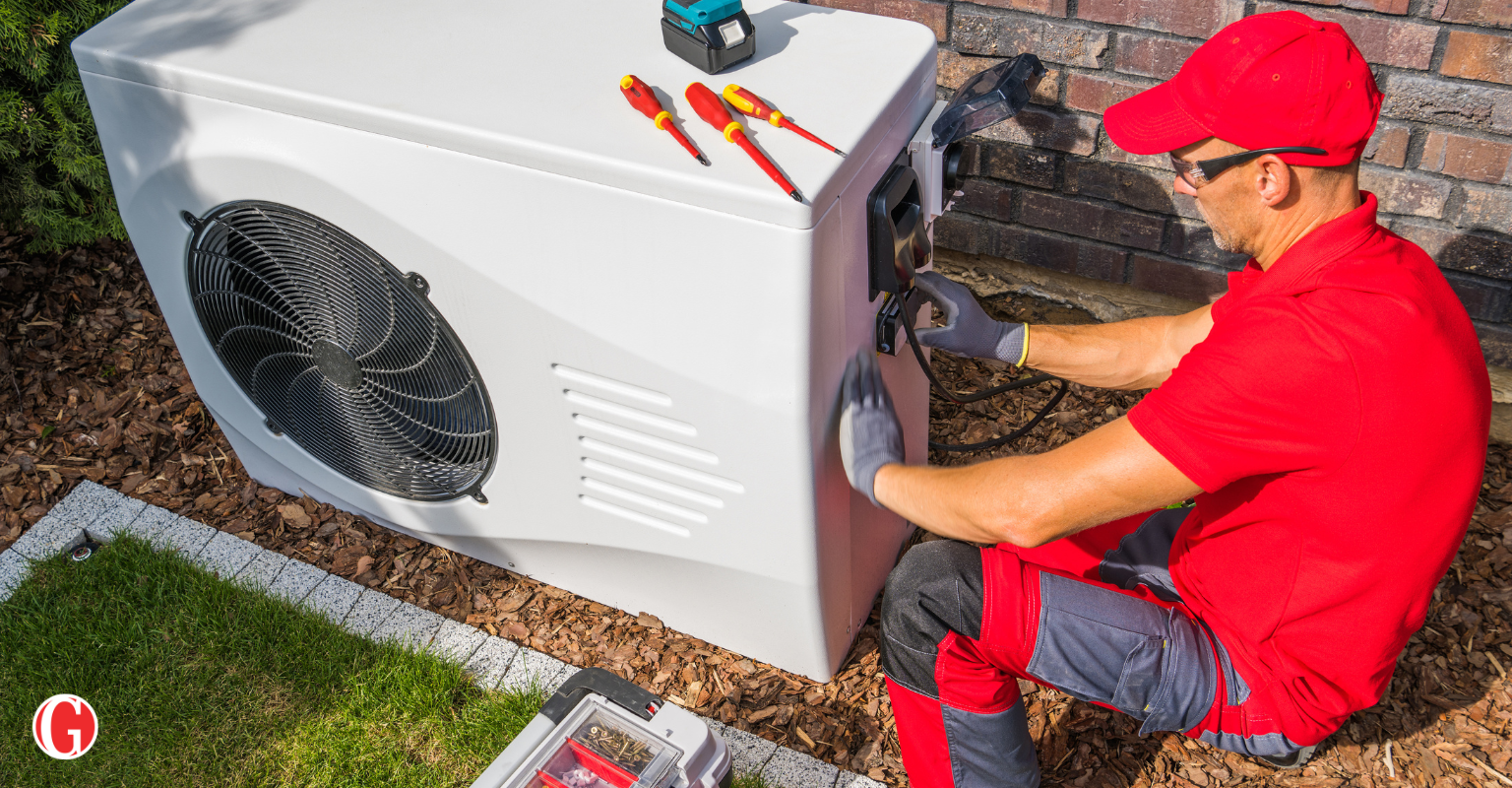
What Really Happens During Professional Heat Pump Installation Services
Parts 1 and 2 of this series explained the foundation of heating systems for houses and the heating system installation. Now in Part 3, we are looking closely at what happens during professional heat pump installation services and why the details matter more than most homeowners realize.
A heating system or water heater is only as good as the way it is designed, sized, installed, calibrated, and tested. Even the highest quality equipment will underperform or fail prematurely if the installation lacks accuracy or if key steps are skipped. Proper installation protects comfort, energy efficiency, and long term reliability, which is why it requires planning, expertise, and a comprehensive process.
This final part of the Winter Comfort 101 series will walk you through the steps licensed technicians follow and explain why each one is essential for performance and safety.
Why Professional Installation Matters for Heating Systems
Upgrading a heating system isn’t just swapping one unit for another. Proper installation ensures:
- Maximum efficiency
- Lower utility costs
- Fewer breakdowns
- Longer equipment lifespan
- Safe gas and electrical operation
- Consistent comfort
This is why choosing skilled, licensed technicians is critical when scheduling heat pump installation services or heating system installation.
The Importance of Planning Before HVAC Installation
Installation begins long before the new unit arrives. The planning phase determines whether the equipment will perform as expected. This evaluation stage is where technicians identify the home’s exact heating and hot water requirements so the system is properly matched.
1. Manual J Load Calculation
Technicians perform a detailed calculation that determines the size and capacity of the new HVAC system. This calculation evaluates square footage, ceiling height, insulation levels, duct layout, window placement, construction materials, climate conditions, and heat gain or loss.
Incorrect sizing leads to short cycling, excessive run times, poor comfort, and unnecessary wear. Proper sizing ensures that the system can heat the home efficiently without strain.
2. Equipment Selection
Once the load calculation is complete, the technician recommends equipment that matches the home’s needs. The system must be compatible with existing ductwork, electrical systems, gas lines, and the home’s layout.
3. Home Preparation
Before installation begins, technicians inspect the existing system, measure clearance space, evaluate the condition of ducts, and verify that the installation area meets safety standards. Preparation ensures that the installation proceeds smoothly and safely.
Steps of a Professional HVAC Installation
1. Removal of the Old System
The existing furnace or heat pump is safely disconnected from electrical lines, gas lines, and duct transitions. The old equipment is removed in a controlled manner to avoid damage to surrounding structures.
2. Duct Assessment and Sealing
Before installing the new unit, technicians assess and seal ducts to prevent air loss. Leaks can reduce system performance by up to thirty percent. Sealing ducts helps ensure the new system performs as designed.
3. Setting the New Unit
The new furnace or heat pump is positioned and secured in place. Proper local heat pump service ensures safe operation, accessibility for future maintenance, and correct airflow direction.
4. Electrical Connections
Technicians wire the system according to manufacturer specifications and local code requirements. Electrical connections must support correct voltage, safety shutoff functions, and control board communication.
5. Gas Line Work
If the system uses natural gas, technicians verify line sizing, connectivity, pressure levels, and leak prevention. Correct gas line installation is essential for safety and performance.
6. Venting and Combustion Testing
For gas furnaces or water heaters, venting must be aligned and connected properly to support safe combustion. Technicians test combustion performance to ensure exhaust gases are venting correctly.
7. Thermostat Installation and Calibration
If the installation includes a new thermostat, it is mounted, wired, and programmed. Calibration ensures the thermostat communicates accurately with the heating system. Even small calibration errors can reduce comfort and increase energy use.
Airflow Balancing and System Optimization
After the system is physically installed, technicians perform a series of tests and adjustments to verify performance.
1. Airflow Measurements
Airflow is measured at the return and supply vents to ensure the system distributes heat evenly throughout the home. Proper airflow prevents hot and cold spots and allows the system to maintain steady temperatures.
2. Static Pressure Testing
Technicians measure the resistance the air encounters as it moves through ducts. High static pressure indicates blockages, leaks, or undersized ducts that need correction. Low static pressure can reduce heating effectiveness.
3. Temperature Rise Testing
This test ensures the heating output matches manufacturer specifications. If the temperature rise is too high or too low, the technician adjusts airflow or system settings accordingly.
4. System Calibration
The new system is fine tuned for optimal performance. This includes verifying gas pressure, adjusting blower speed, checking safety sensors, confirming ignition operation, and ensuring response consistency.
5. Final System Inspection
Once all tests are complete, a final safety inspection confirms that the system is ready for operation. All protective covers are secured, and the system is tested through a full heating cycle.
What Happens During a Water Heater Installation
Water heater installation follows a similarly detailed process.
1. Removal of the Old Unit
The existing water heater is drained, disconnected, and removed safely.
2. Plumbing Adjustments
Technicians inspect water lines, pressure levels, and the condition of existing pipes. Expansion tanks may be added if required by code or manufacturer requirements.
3. Venting and Combustion Setup
For gas water heaters, venting and combustion must be set correctly to prevent exhaust backdrafting. Technicians perform tests to ensure the new unit vents safely and efficiently.
4. Temperature Calibration
Water temperature is set to a safe and efficient level. Many units are factory set higher than needed, which increases energy usage.
5. System Testing
The tank is filled, pressure is tested, and hot water delivery is verified. For tankless units, flow rate testing confirms that the new system meets the home’s hot water demands.
Why Proper Installation Protects Comfort and Efficiency
A professional installation directly affects the system’s long term performance. Incorrect installation can lead to:
- Higher utility bills
- Increased wear and tear
- Shortened equipment lifespan
- Uneven heating or insufficient hot water
- Safety hazards involving gas or electrical connections
- Frequent service calls or premature failure
A correctly installed system preserves efficiency, reduces operating costs, and ensures safe performance throughout winter and beyond.
Maintenance After Installation: Protecting Your System
Even after a perfect installation, systems require routine maintenance to stay efficient and reliable.
For HVAC systems, this includes filter replacement, annual tune ups, and airflow checks. For water heaters, annual flushing, pressure valve testing, and corrosion monitoring help prevent breakdowns.
Installation provides the foundation. Maintenance protects the investment.
When you put all of these elements together, it becomes clear that winter comfort requires expertise, planning, and quality equipment. For many homeowners, managing all of this can feel overwhelming.
Get Expert Heat Pump Installation Services in Bakersfield
Managing comfort systems can feel overwhelming but it doesn’t have to be.
Let’s make it simple.
Gundlach’s Service offers:
- $2,000 off a new HVAC system installation
- $250 off a new water heater installation
- Free inline filter
Our licensed technicians handle system evaluation, sizing, installation, calibration, and maintenance to keep your home warm and efficient all winter.
Trusted. Local. Licensed Since 1900.
Proudly serving Bakersfield with expert heating, cooling, and plumbing solutions.